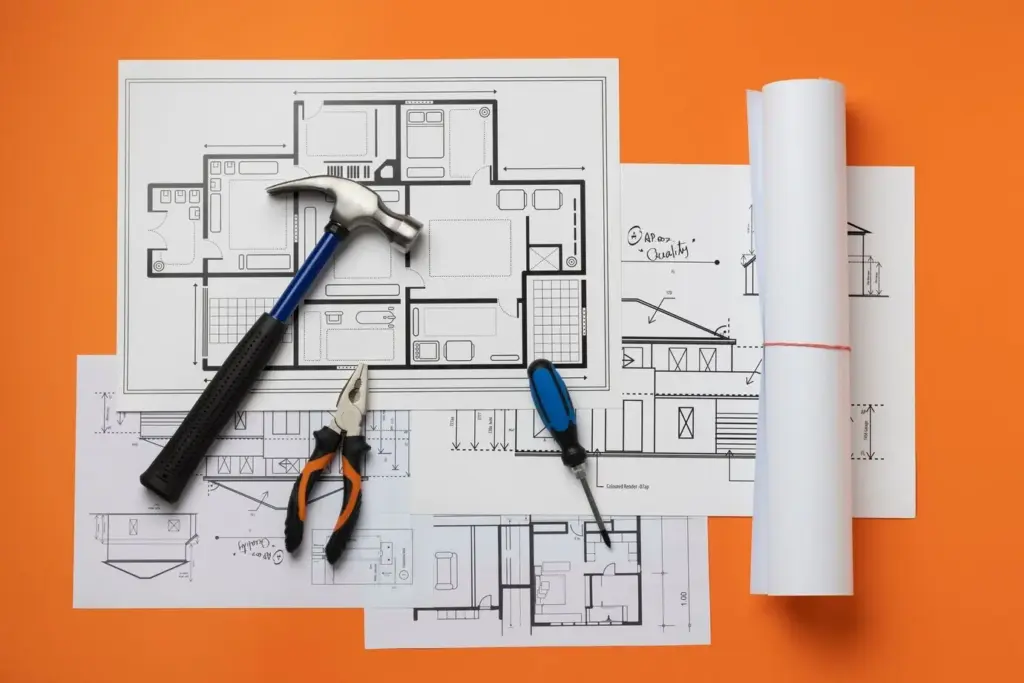
Bring Order to Your Home Remodel

Today we explore Project Management for Home Remodels—scheduling, budgeting, and trades coordination—so your renovation moves with confidence, clarity, and fewer surprises. Learn how to build reliable timelines, control costs, orchestrate plumbers, electricians, and carpenters, and communicate decisions fast. Real stories, practical templates, and friendly checklists will guide you from first sketch to final punch list. Join the conversation, ask questions, and subscribe for helpful updates that keep your project on track.

Lay the Groundwork with a Clear Scope

Goals That Guide Every Decision

Turn vague wishes into measurable results by writing success statements, quality benchmarks, and non‑negotiables. When a surprise arises, these guide rails decide quickly. Homeowners who list comfort, durability, and resale priorities find compromises easier, contractor conversations calmer, and final walkthroughs far more satisfying.

Work Breakdown Structure for Homes

Split the remodel into manageable packages like demolition, framing, rough‑ins, insulation, drywall, tile, cabinetry, and trim. Each package gets deliverables, acceptance criteria, and dependencies. This clarity prevents scope creep, enables realistic bids, and makes handoffs between trades smoother, especially around complex kitchens and busy bathrooms.

Defining What Is Not Included

Explicitly list exclusions such as appliance procurement, landscaping, smart‑home setup, or painting beyond specified rooms. Clarity reduces assumptions that lead to conflict. Attach photographs and sketches to show limits. When expectations match paper, pricing stays honest, change requests feel fair, and decision fatigue drops noticeably.

Critical Path Without the Jargon

Identify the chain of tasks that, if delayed, pushes everything back: foundation repairs, rough electrical, rough plumbing, drywall, and cabinet installation. Highlight them visually on your wall calendar. When surprises hit, protect these tasks first, and you’ll rescue weeks that would otherwise quietly disappear.

Buffers People Actually Respect

Protect delivery uncertainties and inspection windows with time cushions sized by real history, not optimism. Share the buffer purpose with homeowners and trades so it won’t be consumed casually. When cushions are intentional, teams avoid frantic overtime, errors drop, and quality holds even through rainy weeks and holidays.

Lead Times and Long‑Lead Materials

Order custom cabinets, specialty windows, and stone slabs early, pairing purchase orders with clear installation dates. Track promised ship dates in the same tool as your schedule. One builder saved eight days when cabinet delays were spotted a month ahead and the painter was resequenced.

Control Costs Without Crippling Creativity

Money anxiety ruins otherwise beautiful remodels. Build a baseline estimate, set contingencies, and manage allowances with receipts, not guesses. Monitor commitments weekly so overruns appear early. With transparency, homeowners feel empowered to prioritize finishes, value‑engineer details, and say yes to the features that truly matter.

Baselines, Allowances, and Contingency

Document unit costs and quantities for every division, then isolate allowances for fixtures and appliances where preferences may change. Add a contingency sized to historical variance. Sharing this structure with clients reduces sticker shock, speeds approvals, and creates room for smart upgrades when bids arrive more favorable than expected.

Tracking Commitments and Cash Flow

Link contracts, change orders, and invoices to cost codes. Use a simple dashboard to show budget, committed, invoiced, and remaining for each category. Homeowners appreciate seeing burn rate alongside milestones, making conversations about splurges or cuts grounded, calm, and collaborative rather than stressful and reactive.

Value Engineering Without Regret

Reduce cost while honoring intent by swapping materials where performance matches: quartz for marble in heavy‑use zones, engineered hardwood over radiant heat, or paint‑grade trim where stain was optional. Discuss tradeoffs openly. Savings land gracefully when the story behind choices is respected and documented.

Orchestrate Trades Like a Conductor

RACI Made Practical

Assign who is responsible, accountable, consulted, and informed for every package. Post the chart near the jobsite entry with contact numbers. When ownership is obvious, texts become crisp, questions find the right person, and issues escalate constructively instead of drifting between crews until something breaks.

Preconstruction Kickoff That Solves Problems Early

Gather key trades, designer, and homeowner before mobilization to review drawings, confirm rough‑in heights, and walk the site. Catch conflicts like duct chases crossing beam pockets. These meetings build trust, expose assumptions, and generate smarter sequencing that keeps the project humming when demolition dust starts flying.

Clean Handoffs and Daily Job Logs

At every handoff, leave a tidy, clearly labeled workspace and a simple note of what is complete, what remains, and where to ask questions. Pair this with daily photographs. Momentum compounds when crews feel respected and documentation answers small uncertainties without waiting hours.

Permits, Inspections, and Risk Readiness

List required permits, submittals, and drawing sets, along with responsible party and target dates. Call the jurisdiction to learn typical review timelines and resubmittal expectations. Accuracy up front avoids painful corrections. One homeowner shaved two weeks by confirming egress window specs before submitting structural revisions.
Coordinate rough and final inspections with the schedule and book them early, leaving space for reinspection if needed. Prepare checklists so the site is inspection‑ready. Passing on the first attempt builds department goodwill and keeps fragile sequences, like drywall taping after insulation, comfortably intact.
Confirm workers’ compensation, liability coverage, and endorsements are current for all firms entering the home. Control access with lockboxes and a simple sign‑in system. Safety briefings reduce injuries, theft, and downtime, while families sleep easier knowing their house is treated with professional care.

Weekly Rhythm, Daily Touchpoints

Hold a short weekly review for milestones, risks, and budget updates, plus lightweight daily check‑ins for onsite questions. Share photos and notes in a central place. This rhythm reassures families, empowers trades to plan, and keeps the project director steering proactively instead of firefighting.

Decision Logs and Selections Tracker

Capture each choice with date, responsible person, and attached documentation, then link to purchase orders. A living selections tracker prevents forgotten faucet finishes or missing hardware. Clear records shorten meetings, shrink misunderstandings, and let crews work confidently while homeowners enjoy watching plans come to life.

Change Orders Without Drama

When a change is requested, document scope, cost, and schedule impact before work proceeds. Review alternatives kindly. Sign digitally to avoid delays. Treat changes as learning, not blame. Teams that price fairly and communicate quickly keep relationships strong, even when the design evolves mid‑construction.
Xuxekexozalorome
Privacy Overview

This website uses cookies so that we can provide you with the best user experience possible. Cookie information is stored in your browser and performs functions such as recognising you when you return to our website and helping our team to understand which sections of the website you find most interesting and useful.